An outdoor place to learn—and have fun
The outdoor classroom at Valleycliffe Elementary School also called the Living Classroom, spans 1.2 hectares (3 acres) of land located on school property along the Stawamus River dike system. Students, parents, teachers and local businesses worked together to restore a wetland and plant over 2,000 plants and trees to create a welcome place for pollinators and other local wildlife.
Today, the space is an important location for students to learn about local ecosystems. Outside learning is a fun and practical way to help students learn about the animals and plants in their community.
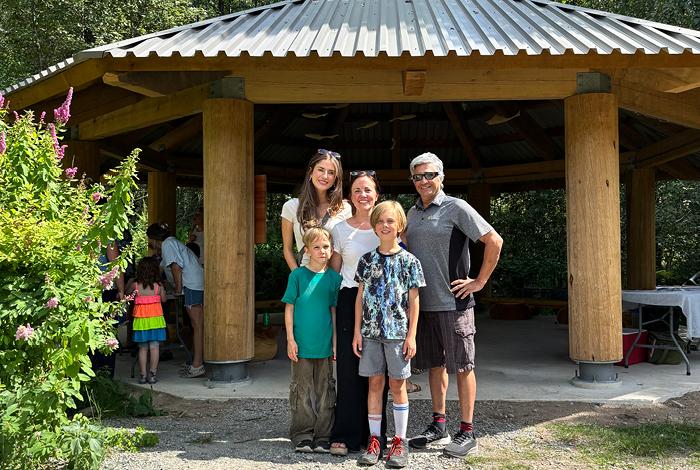
A growing space
Teachers and their students regularly use the Living Classroom to learn about how the land supports growing food for humans and how native plants and animals live together in local ecosystems. Knowing where food comes from helps give students a deeper understanding of what they eat and what it means to get their food from land to table.
FortisBC community relations liaison (EGP), Chloe Finn talks about contributing funds to this important space.
“We’re honoured to help support a project like this that promotes a passion for learning in this community, “Chloe says. “We’re grateful to play a part in helping educators and parents carry enriching educational experiences forward for new generations.”
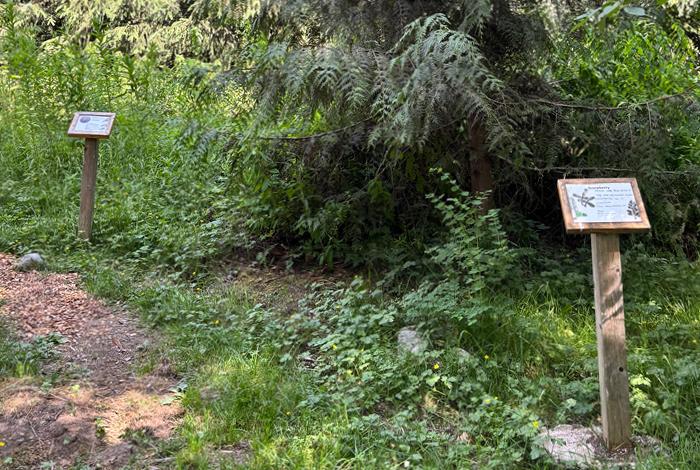
The Living Classroom has you covered
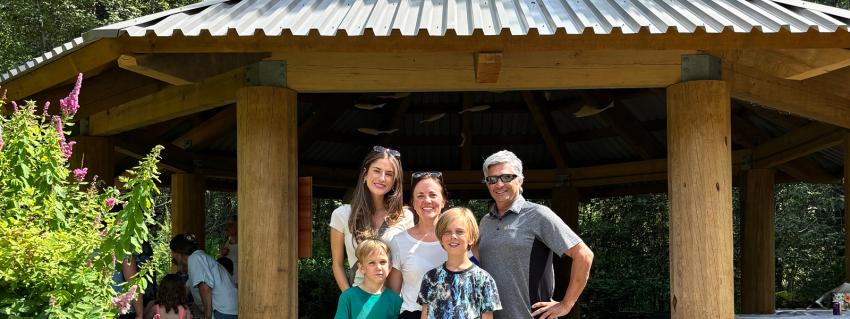
Weather has been a challenge for outdoor learning. Students and teachers needed a place to gather rain or shine, sheltered from the elements on hot days and wet days alike, but also to still be in the open air. That’s where the idea for a wooden shelter came in.
Valleycliffe Elementary School teacher Linda Peterson has been heavily involved with the Living Classroom project. She explains how it helps students better relate to their community’s ecosystems.
“FortisBC's contribution to our beautiful Gathering Place shelter is a tangible investment in how the next generation relates to—and stewards—the natural world, not as disconnected observers, but as intertwined participants in a living ecosystem. It means our Living Classroom remains a space where students can engage with a dynamic Pacific Northwest ecosystem in action, regardless of the elements.”
Parent volunteer Raakel Toppila, agrees.
“The Gathering Place was created as a hub for outdoor learning and a shared space for the community to come together,” Raakel says. “At its heart, it exists to deepen people’s connection to the land, so they come to know, value and care for it in the future.”
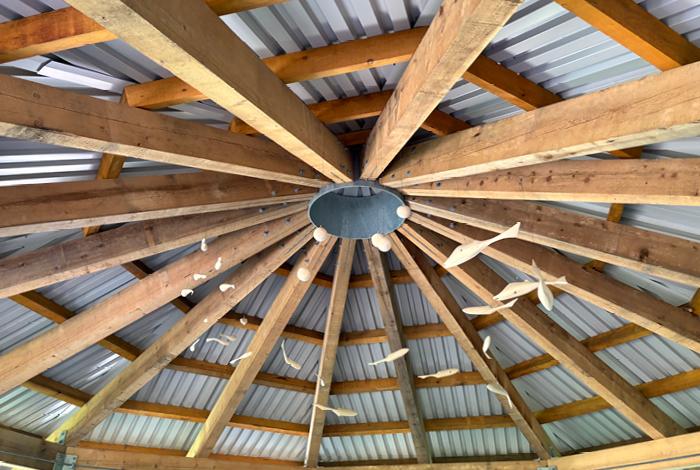
Learning creatively together
Our EGP Project team and our pipeline contractor, Surerus Murphy Joint Venture, supported the fundraising efforts to build the shelter. Surerus Murphy project Indigenous and local engagement lead Ryan Hennessey explains the importance of investing in community projects like this.
“Surerus Murphy is grateful for the opportunity to assist the community in creating the Gathering Place,” Ryan says. “Fostering a culture of creative learning is such a worthwhile pursuit for teachers and their students to follow."
Gaining knowledge of local ecosystems
FortisBC is grateful to support enhancing educational experiences for students through the Living Classroom. No matter what the weather happens to be, the Gathering Place provides a place where students gain knowledge and learn about ecosystems in their own community.
To learn more about our Eagle Mountain - Woodfibre Gas Pipeline (EGP) Project, visit our project page for updates and other community-related stories.