About LNG: What it is and why safety matters
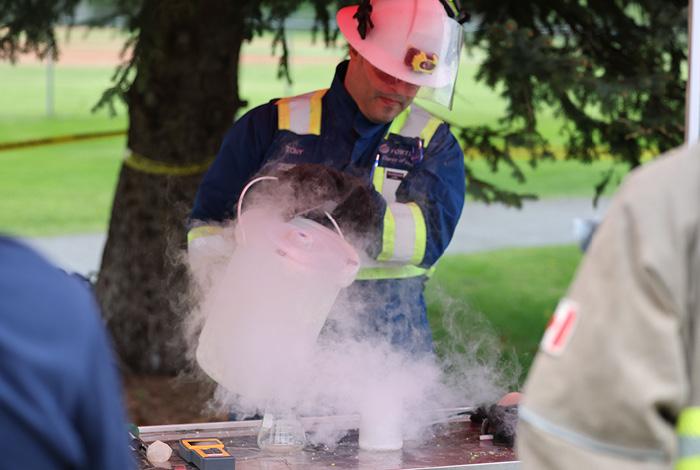
LNG has an important role in the energy supply for the Lower Mainland. LNG is the same natural gas many of us use every day to heat our homes and cook our food. By cooling natural gas to -162°C, it becomes liquefied, making it easier to store and transport. FortisBC supplies approximately two thirds of the region’s energy needs, with its LNG infrastructure providing the Lower Mainland with a vital backup energy supply during periods of high demand, such as on cold winter days.
At FortisBC, LNG is stored in double-walled containers, similar to a thermos, to keep it cold and to reduce the risk of a leak. FortisBC regasifies the LNG stored at our facilities and injects it back into the gas system as necessary. This is to ensure our customers have the energy they need when they need it most.
When stored as a liquid, LNG is not flammable or explosive because there is no air to create a mixture that could ignite.
“Understanding the properties of LNG is crucial during an emergency,” says Tony Goncalves, LNG advisor, FortisBC. “That’s why we invest in training sessions like this. It’s to ensure first responders have the knowledge and tools they need to act quickly and safely.”
Strong relationships built on trust
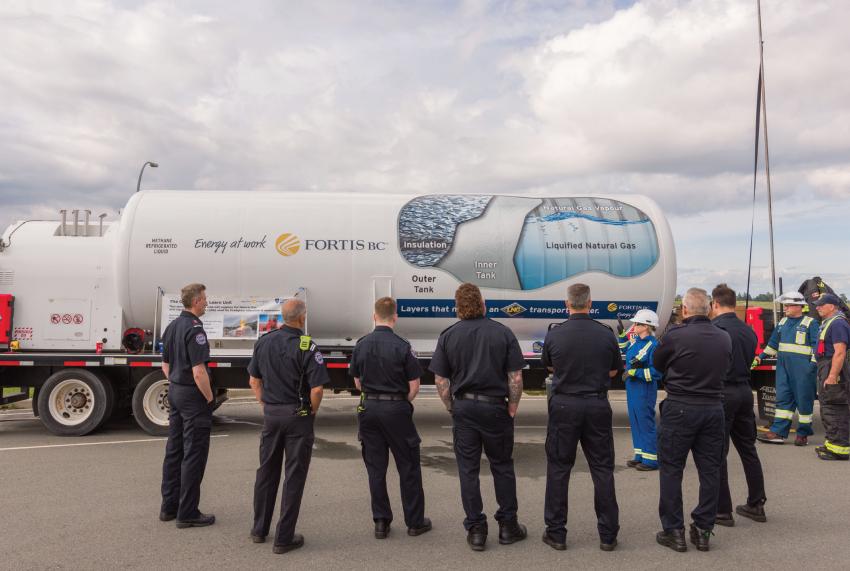
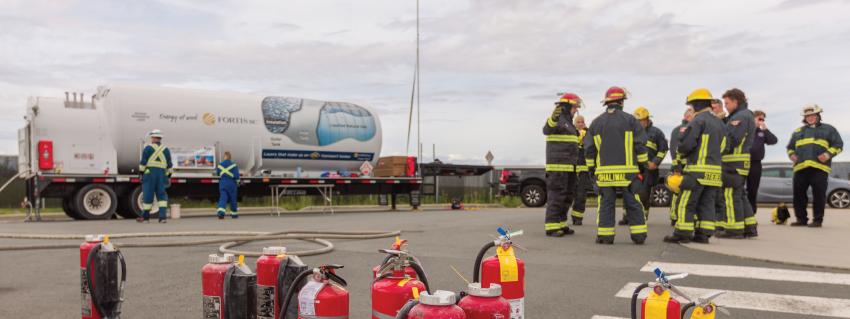
Our relationships with Delta Fire and with other fire departments in B.C. are built on years of collaboration and trust. Together, we’ve developed training sessions that combine classroom learning with real-world simulations, giving firefighters the chance to practice LNG-specific firefighting techniques in controlled environments. Each training session includes an overview of LNG’s physical properties, demonstrations of safe handling procedures, and live-fire exercises that simulate potential emergency situations.
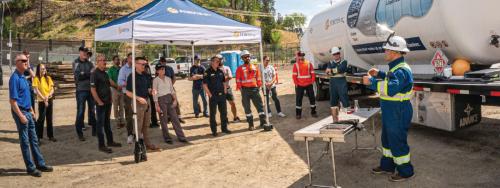
By working closely with Delta Fire on LNG safety training this past October and with other fire departments across the province at other times, we’re able to tailor our sessions to reflect real-world conditions and ensure crews are ready to respond confidently and effectively. In addition to this weeklong series of sessions, we also conduct smaller demonstrations for stakeholders as part of education and outreach for the Tilbury project and LNG business. These collaborations encourage open dialogue, allowing teams to learn from each other and work together to strengthen emergency response practices.
“Working with FortisBC has been a great experience,” says Carson Isfeld, acting deputy chief, Delta Fire & Rescue Services. “They’ve been proactive in sharing their expertise and making sure our crews are prepared for any scenario involving LNG. It’s a cooperative effort that really benefits the community.”
Keeping our communities safe
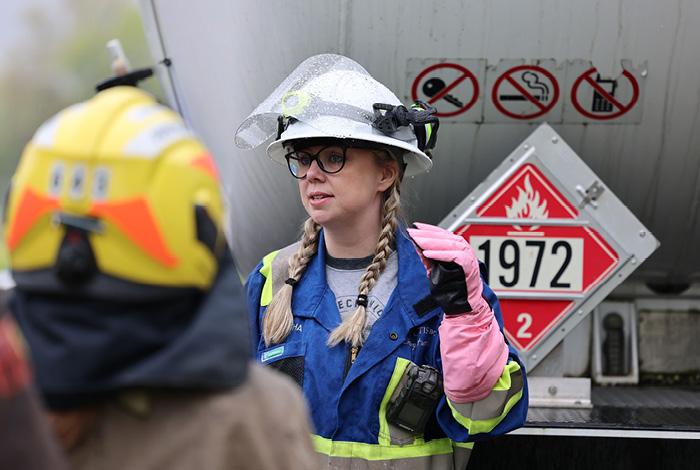
At FortisBC, safety is our number one priority. As LNG continues to play a growing role in British Columbia’s energy future, we remain committed to working with first responders like Delta Fire to ensure we’re all prepared. These training sessions are an example of how we’re building safer communities together.
We’re continuing to work closely with local emergency services to deliver specialized training focused on LNG and to provide opportunities for hands-on learning. By working together with first responders, we’re strengthening emergency preparedness and fostering relationships that help keep our communities informed and safe.
These weeklong safety training program sessions with Delta Fire in October are part of our extensive and ongoing efforts to help set the standards for LNG safety and education in B.C. We’re proud to lead the way for our sector to benefit people in communities all over the province.
To keep up with our project, check out the Tilbury Phase 2 project updates page.